

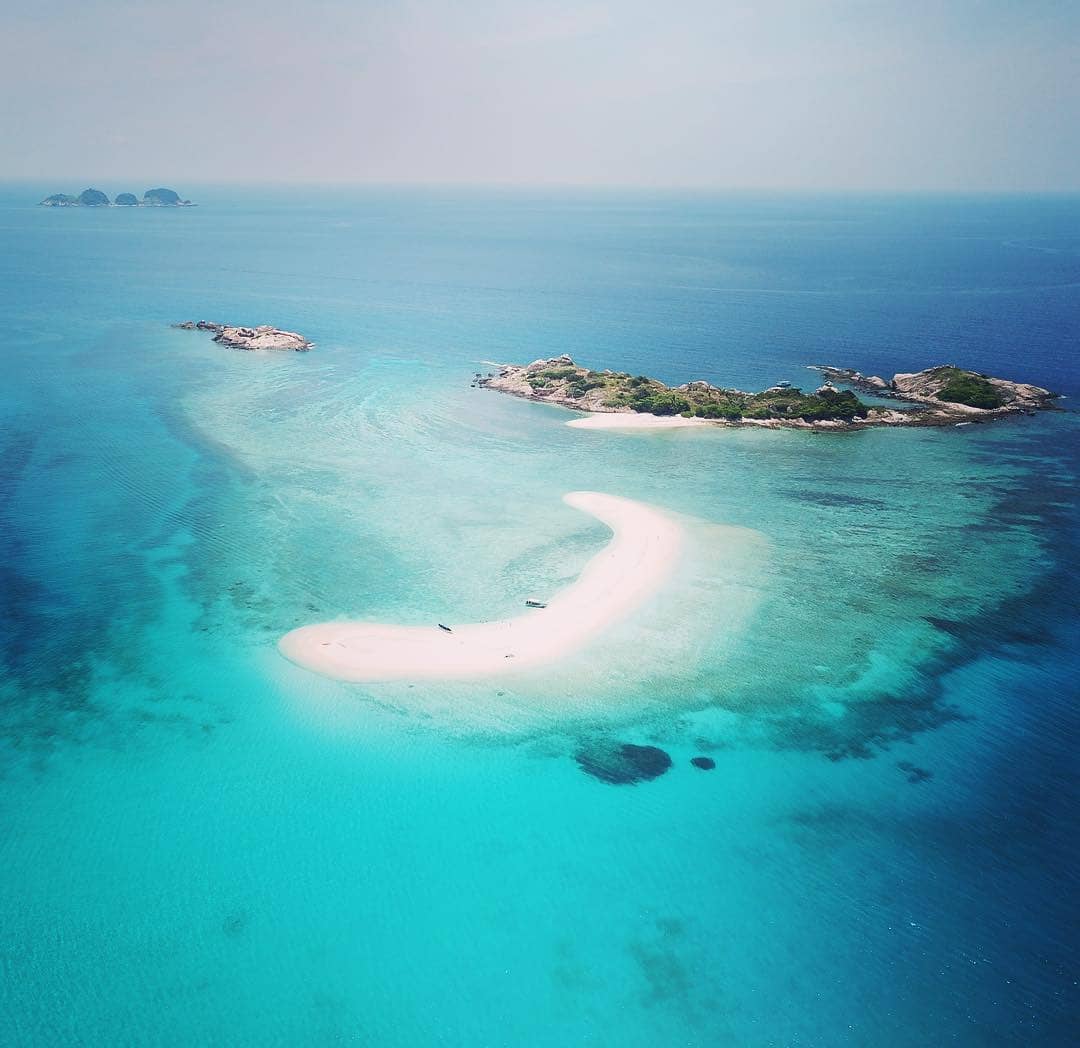
Description
The high cost is due to several factors:
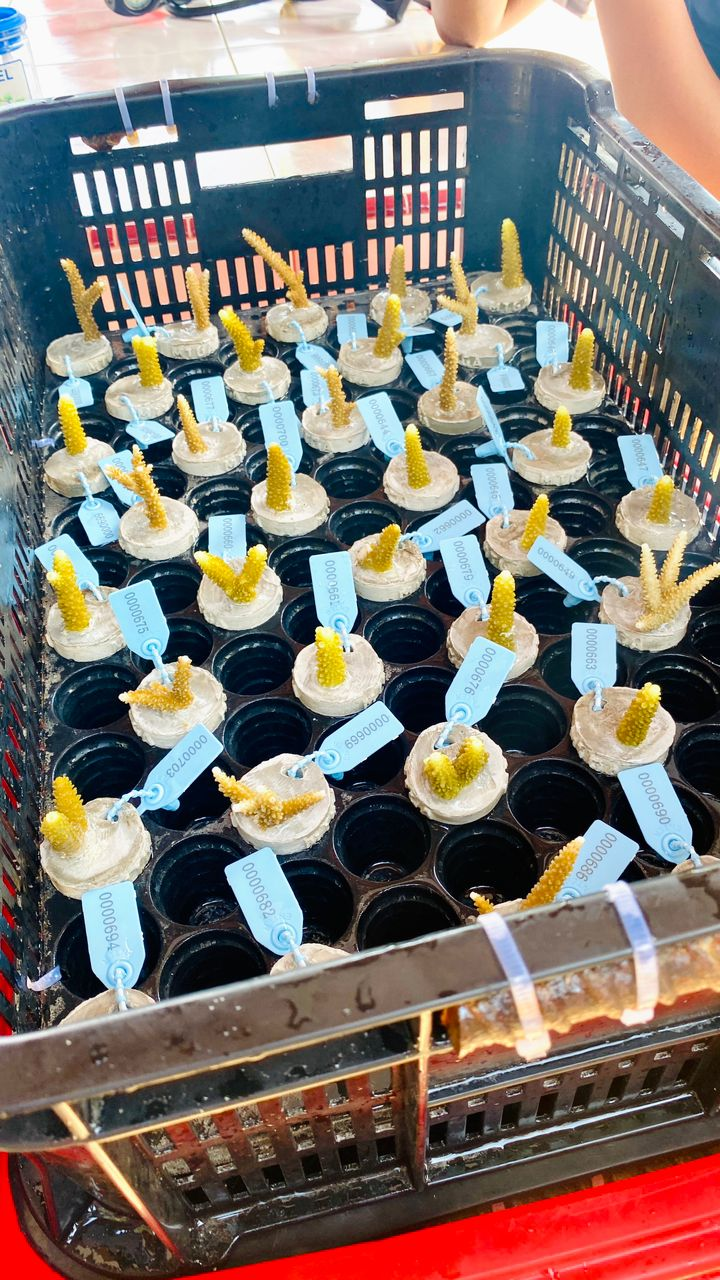
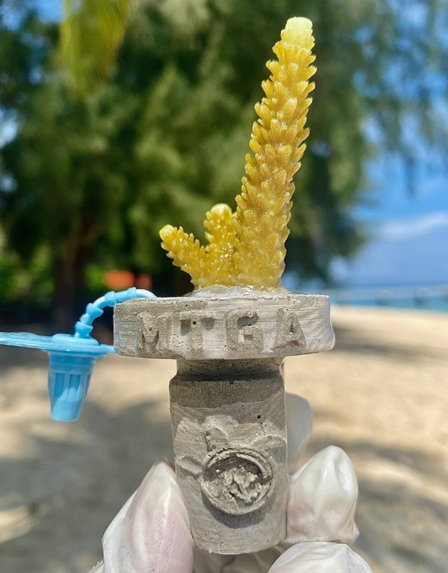
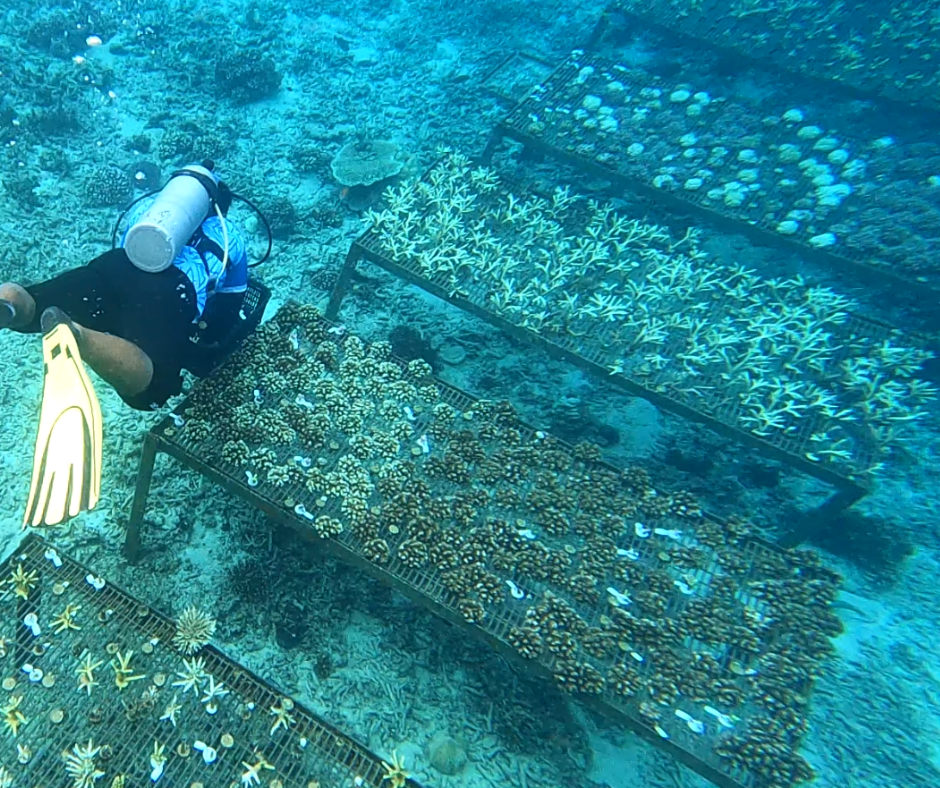
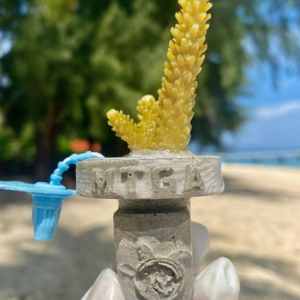
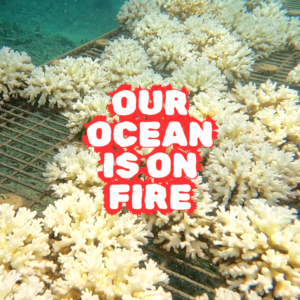
- Long-Term Care: Each coral nubbin we produce requires careful nurturing for a full six months.
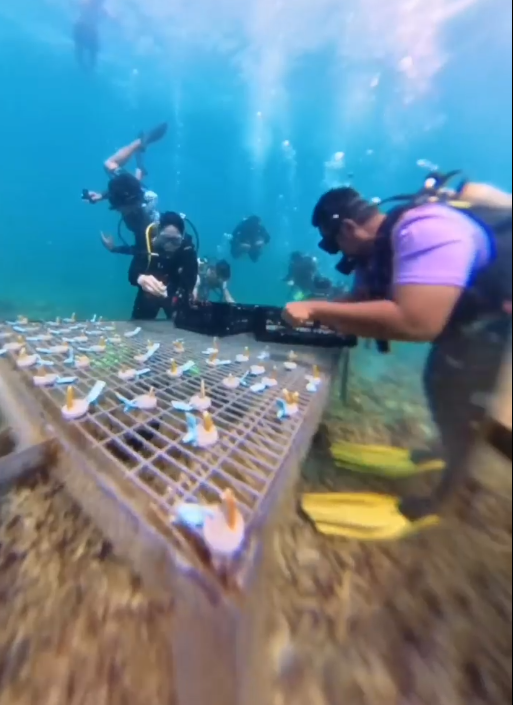
- Monitoring and Maintenance: Regular monitoring and maintenance activities are essential and come with high costs. This includes the use of specialized equipment, skilled labor, and advanced monitoring technology to ensure the coral grows healthily and robustly.
- Human Resources: The workforce involved in the care and monitoring process possesses specialized skills and knowledge, contributing to the overall high costs.
- Equipment and Technology: The equipment used in this process is sophisticated and expensive, including technology for monitoring coral health and maintenance tools.
All these costs are combined to ensure the highest quality and survival rate of the coral seedlings we produce.
Sustainable Tourism Practices in Coral Reef Areas
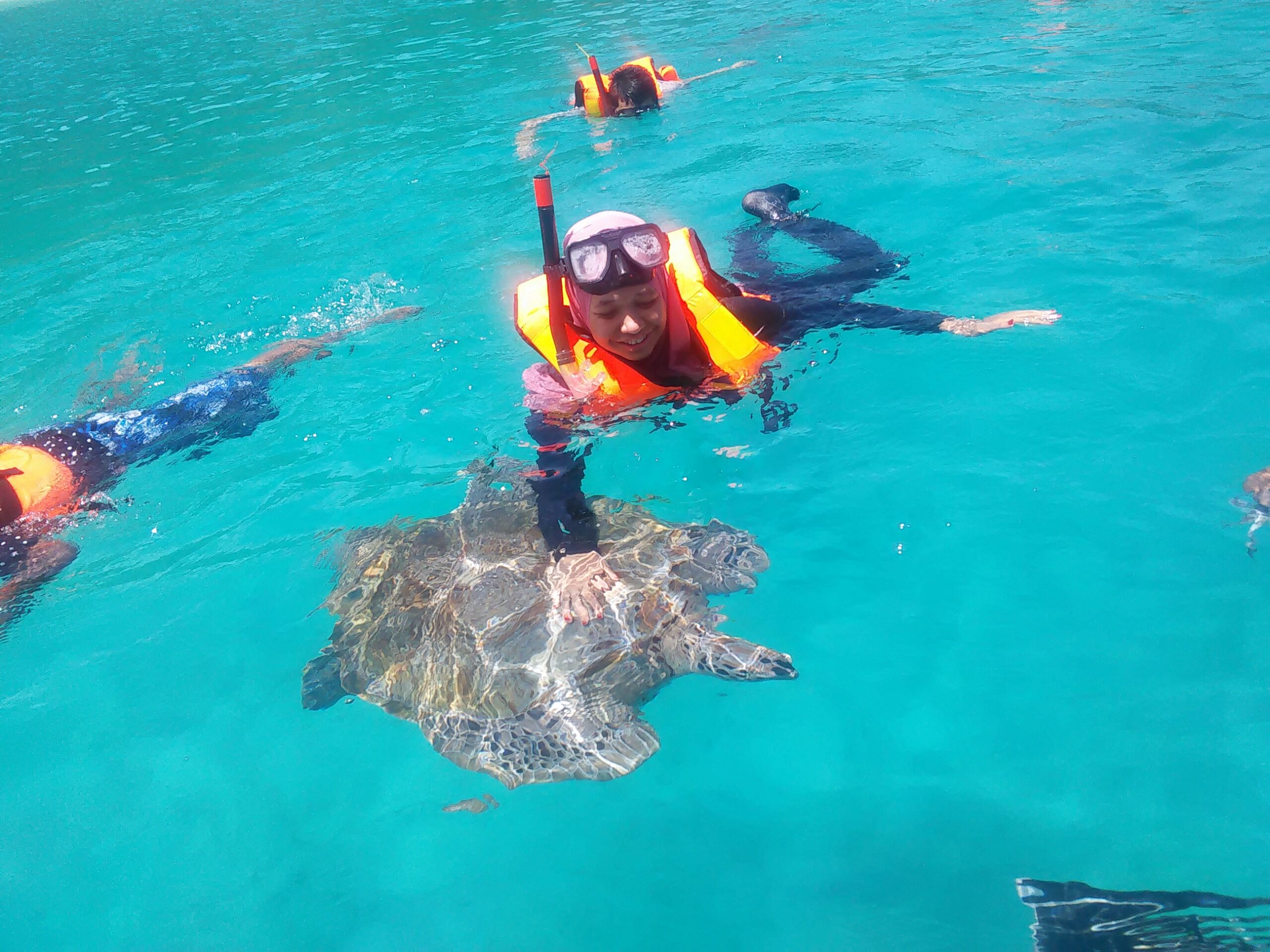
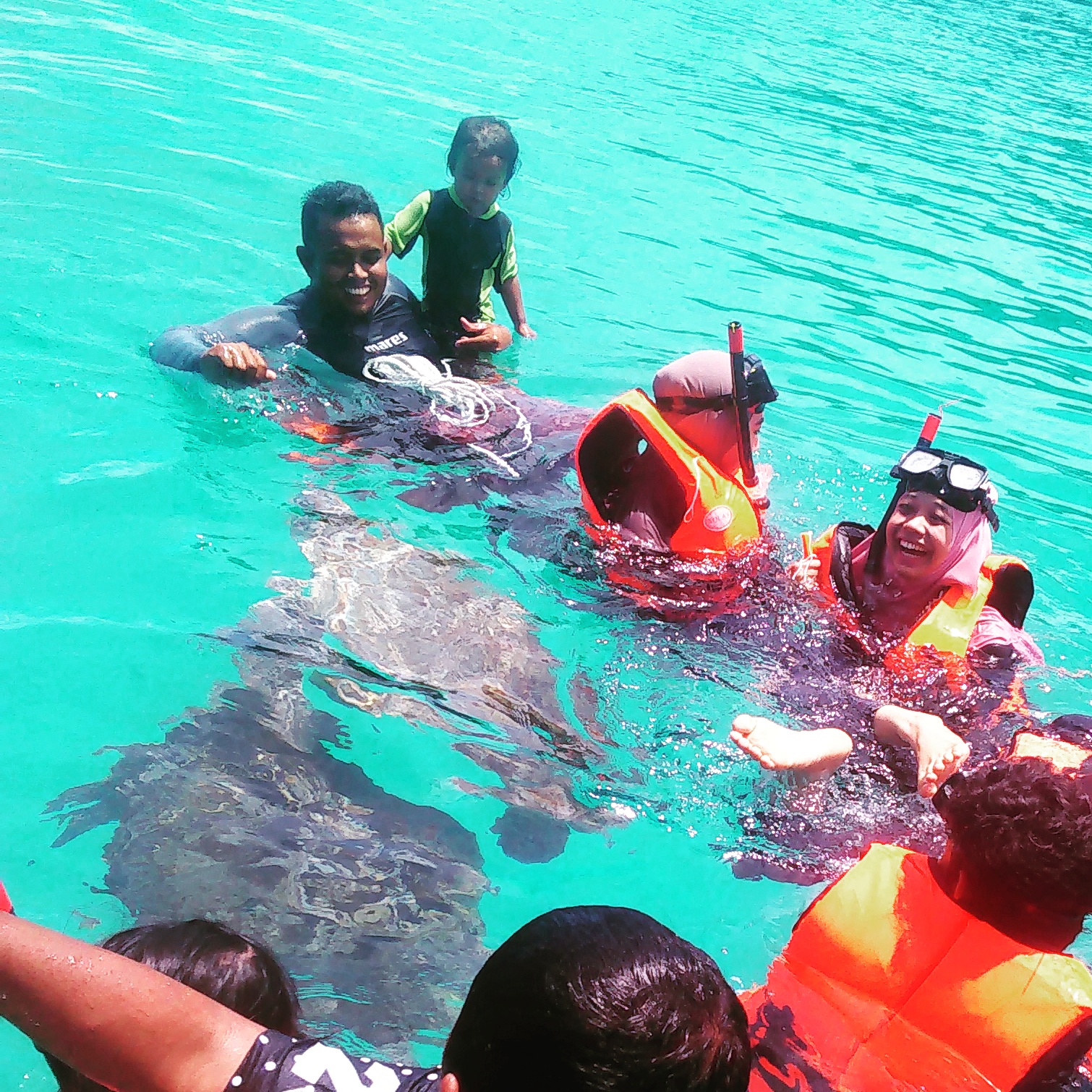
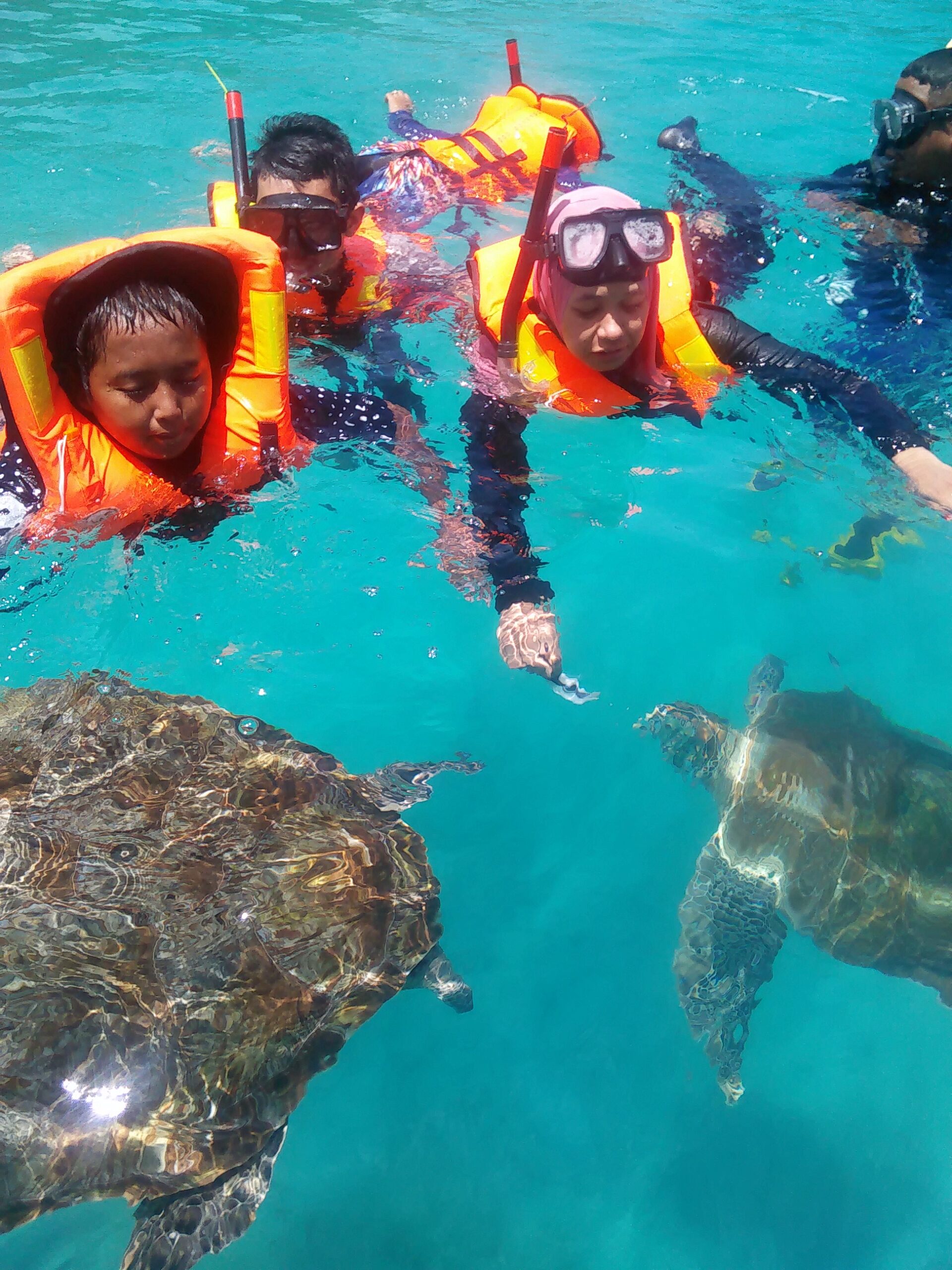
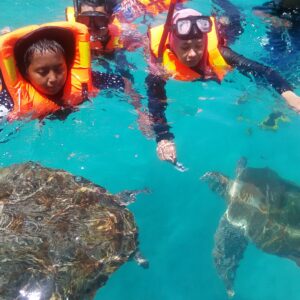
Tourism has the power to be a curse or a catalyst for coral reef conservation. When managed with care and foresight, it can uplift local economies while safeguarding the fragile health of our reefs. Imagine a world where tourists dive and snorkel responsibly, where pollution from tourist facilities is drastically reduced, and where every visitor leaves with a deeper understanding of the critical importance of coral reef conservation. In such a world, tourism transforms into a mighty force for positive change.
By encouraging tourists to choose eco-friendly operators and support local conservation projects, we can ensure that this vibrant industry becomes an ally in the preservation of coral reefs, not a threat. Governments and local communities, by implementing strict guidelines and regulations for tourism activities near coral reefs, can strike a delicate yet vital balance between economic development and environmental protection.
Sustainable tourism practices do more than just protect nature; they also enhance the overall well-being of local communities. By creating jobs in ecotourism and offering opportunities for education and skill development, the effort to conserve coral reefs can become a powerful pathway to economic empowerment and a brighter future.
The fight to conserve coral reefs is not one we can win in isolation; it demands a comprehensive, integrated approach. By establishing Marine Protected Areas, embracing sustainable tourism practices, conducting ongoing scientific research, and engaging local communities, we can secure the long-term survival of these invaluable ecosystems. Through our collective efforts, we can protect and restore coral reefs, preserving their breathtaking beauty and rich biodiversity for generations to come. Let’s turn tourism into a beacon of hope for coral reefs, lighting the way towards a sustainable future.
Reviews
There are no reviews yet.